
Selected Projects & Impact
Over the past four years, I delivered and evolved streaming applications across multiple platforms, working with engineering teams, designers, clients, and third-party partners to solve technical challenges and bring products to market. My work spans technical project delivery, product development, platform integrations or migrations, and healthcare research.
Beyond streaming technology, I have also worked on healthcare research exploring the impact of biofeedback and personalized nutrition on glycemic control and metabolic health, contributing as a Project Lead and Coauthor.
This portfolio brings together all projects that reflect how I approach complex problems, coordinate cross functional teams, translate requirements into actionable solutions, and turn ideas into practical outcomes.
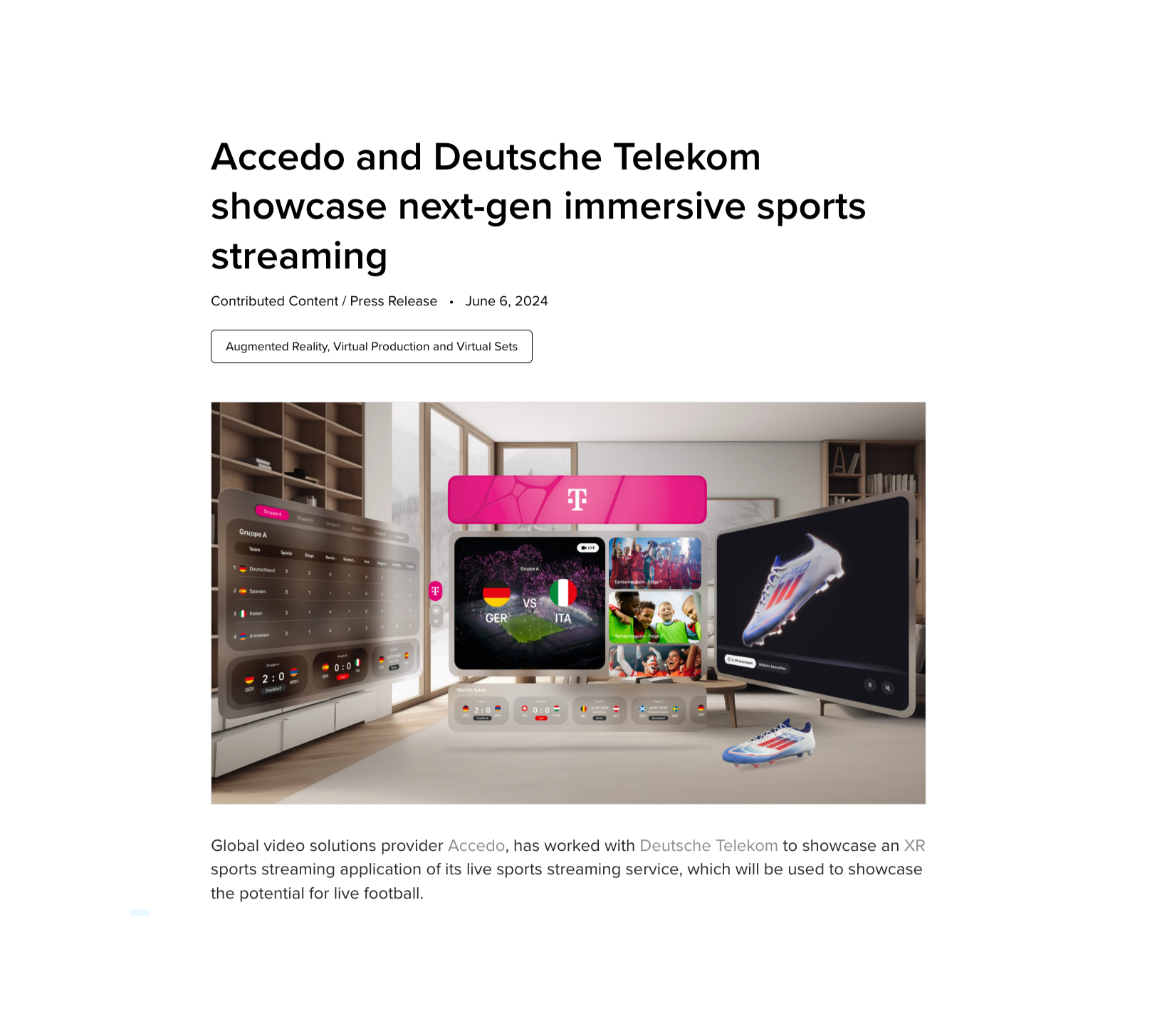
AR Viewing Experience for 2024 Euro Cup - Apple Vision Pro & Meta Quest 3
Client - Deutsche Telekom AG
Budget - $73,000 USD
-
Directed a paid POC for Deutsche Telekom exploring how to deliver live Euro Cup coverage (hosted that year in Germany) on next generation AR platforms. The project was unusual in that it launched on Apple Vision Pro and Meta Quest 3 before either device was publicly available, built specifically for an audience of Deutsche Telekom's executive team. Coordinated a vendor and project team dispersed across multiple time zones to take the concept from idea to working demo on a tight, fixed timeline tied to the tournament schedule.
-
The main challenge was developing a live Euro Cup viewing experience for Deutsche Telekom on Apple Vision Pro and Meta Quest 3 before either device was publicly available. With limited access to the platforms, vendors and project team members spread across multiple time zones, and a fixed deadline tied to the tournament, we had to deliver a working proof of concept within a tight timeline while managing significant technical uncertainty.
Approach and Strategic Decisions
We explored multiple features, including gesture controls, social annotations, and multi-angle viewing. However, I recognized that adding too many features could increase development complexity and put the delivery timeline at risk. I pushed for a more focused approach, prioritizing three core areas:
Streaming Quality: Prioritizing 4K streaming, low latency, and adaptive bitrate management to deliver a high-quality live sports viewing experience.
Spatial Audio: Creating an immersive, stadium-like audio experience that demonstrated the potential of AR for live sports viewing.
Reliability: Minimizing crashes and buffering during critical moments to ensure a smooth and uninterrupted viewing experience.
We deliberately deferred secondary features, such as gesture controls and social interactions, to reduce implementation risk and focus development efforts on the core viewing experience.
This approach allowed us to deliver the proof of concept on time, with zero major issues, and successfully demonstrate the experience to Deutsche Telekom’s executive team. It also validated the importance of prioritizing quality and reliability over feature breadth when delivering an innovative product under tight deadlines and significant technical uncertainty.
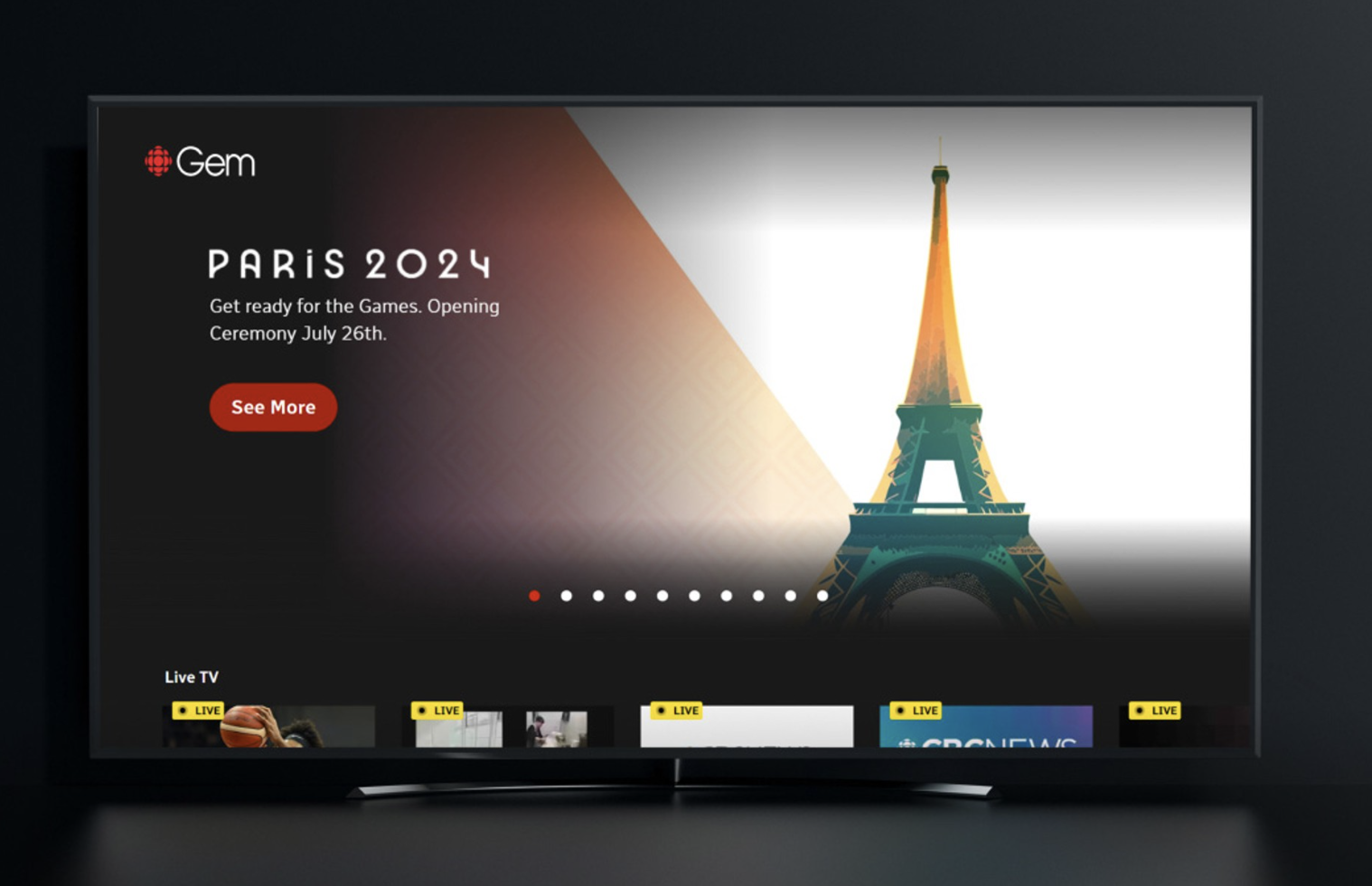
Canadian Broadcasting Corporation (CBC) 2024 Olympics
Client - Canadian Broadcasting Corporation
Budget - $500,000 USD
-
CBC had two application which were already live, one application was for French speaking audience called TTV and the other in English called CBC GEM both served different catalog of content and were on Samsung, Comcast, Roku and Web.
The team was tasked to create a Olympics section for both apps before the 2024 Olympics hosted in Paris. Team was expected to deliver and clear a testing phase run by the CBC team well before Mid July to ensure all platform vendors have enough time to update the in market build of the app with the latest version that had the UI entry point to viewing the olympics content.
-
The main challenge was delivering a consistent and responsive user experience across platforms with different hardware capabilities. Our development strategy was to build the application experience for Web first and then port it to the other platforms. While the application performed well on Samsung and Comcast, Roku presented performance issues, including lag and jittery navigation when users interacted with the interface.
With the Olympics approaching and a fixed delivery deadline, we needed to improve Roku’s performance without compromising the live streaming experience, particularly the ability to deliver high quality Olympic sports coverage.
Approach and Strategic Decisions
We explored two approaches to address the performance issues.
Collaborating with Roku on OS-level optimizations: We leveraged our existing contacts at Roku to investigate potential operating system level optimizations. One option was to throttle video quality or limit the amount of data being processed to reduce the device’s workload. While this could improve menu responsiveness and reduce system instability, it risked increasing video startup times and limiting the available streaming resolution. This trade off was particularly problematic for a major live sporting event where picture quality was a key part of the viewing experience.
Developing a dedicated video player for Roku: To avoid compromising streaming quality, we pursued a platform specific solution by developing a new video player tailored to Roku’s capabilities. The goal was to improve application responsiveness while enabling the player to deliver the highest available streaming quality from the start, including high quality live Olympic streams.
This approach allowed us to address Roku’s performance limitations at the player level rather than relying solely on system level compromises that could negatively affect the viewing experience.
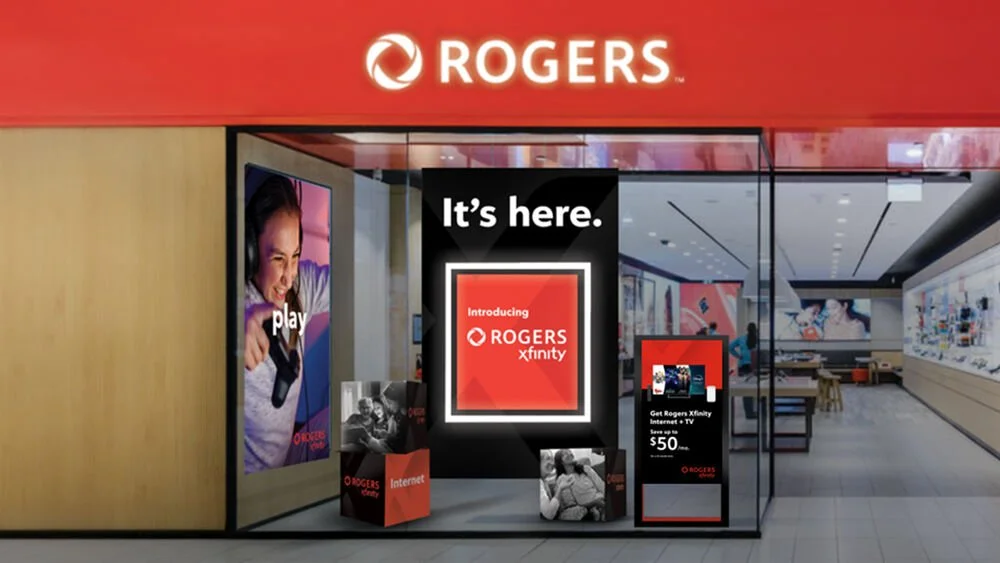
Rogers City TV plus - Comcast Application (Hosted URL Application)
Client - Rogers Communications Inc
Budget - $30,000 USD
-
Create the CityTV plus Comcast application which would offer different live stream channels that the Rogers team can configure from the Accedo A1 configuration that was used in the original development of the application, in this project we had to implement and extend some new features of the application, which was adding watching history continue watching swim lane that would store users partially consumed data per session for the application locally on the device in adding to supporting the Rogers team with submitting the Comcast application for certification.
-
The main challenge was implementing a Continue Watching feature for the Citytv+ Comcast application that would allow users to resume partially watched content from where they left off. Since Rogers offered both live streaming channels and video on demand (VOD) content, we needed to ensure that viewing history was tracked accurately across both experiences without incorrectly recording live stream sessions as on demand viewing progress.
The complexity arose when a user watched a movie or show through a live stream channel that was also available in Rogers VOD catalogue. In these cases, the application needed to recognize the VOD title being broadcast, capture the user's viewing progress, and display the same content in the Continue Watching section with the correct resume position, even though the user had accessed it through a live channel.
Approach and Strategic Decisions
We addressed this by leveraging content metadata and extending the existing video player's event handling logic.
Tracking VOD Content Within Live Streams: We configured Rogers live stream channels to pass additional metadata identifying the VOD content being broadcast. This allowed the application to distinguish individual VOD titles within a live stream channel rather than treating the entire channel as a single viewing session or having the application perform searching actions for the VOD content which would impact the performance for the experience .
Capturing Content Transitions Through Event Driven Processing: Rather than relying on periodic polling to check for content changes, we implemented an event-driven approach in the video player that listened for playback events and triggered metadata processing whenever a new VOD title began within a live stream. This enabled the application to identify content transitions and update viewing history as events occurred, without repeatedly querying for changes.
Maintaining the Continue Watching Experience: We implemented local viewing history storage on the device to retain partially watched VOD content and its progress. This ensured that eligible titles appeared in the Continue Watching section with the appropriate resume position, regardless of whether the user had originally accessed the content through the VOD catalogue or a live stream channel.
This approach enabled us to extend the application's existing functionality while preserving a consistent viewing experience across live and on demand content. Alongside the feature development, the project also involved supporting the Rogers team through the Comcast application certification process.
Stealth TV - Leading Discovery Phase
Client - Bob Baskerville TV
Budget - $80,000 USD
-
This was another video streaming application targeted for the Web, iOS, Android and Roku. For this project we were ask to perform a discovery phase and complete designs for the application for the different platforms while also establishing some of the technical integration details before beginning the development phase.
-
The main challenge was preparing for a large scale video streaming application spanning Samsung, Comcast, Web, iOS, Android (mobile and tablet), Roku, and Fire TV. During the discovery phase, I partnered with another Project Manager to review the project scope, identify technical dependencies, and prepare recommendations so the team could move into development as quickly as possible once the project was signed off.
As we reviewed the Statement of Work (SOW), we identified a critical gap in the client's existing infrastructure. While the client had an on premises content production setup, the broader content delivery ecosystem required to power the streaming application had not yet been fully defined. This included how content metadata would be managed, how video assets would be processed and prepared for distribution, how streams would be delivered to different platforms, and how the applications would retrieve and display the required content.
Approach and Strategic Decisions
Rather than treating discovery as purely a UI/UX design exercise across multiple platforms, we recognized the need to establish and explain the details for the underlying technical architecture and integration requirements before development which we sharing with the account managers to guide the business agreement for the project.
Defining the Content Delivery Ecosystem: We mapped the key architectural components required to support the application, including a Content Management System (CMS) for managing content and metadata, video processing and packaging services for preparing streams, and a Content Delivery Network (CDN) for distributing video efficiently. We also considered how these components would integrate with the client’s existing on premises infrastructure and the application layer.
Preparing for Development Readiness: Working alongside the other Project Manager, we consolidated our findings, identified dependencies and potential risks, and prepared recommendations to help the account and delivery teams align the proposed scope with the technical requirements. The objective was to surface critical infrastructure decisions early rather than allow unresolved dependencies to delay development after project sign-off.
Establishing Cross Platform Requirements: Given the number of target platforms, we needed to account for differences in device capabilities, playback support, and application requirements while defining the technical integrations. In parallel, we worked toward establishing consistent user experiences across the platforms through the discovery and design process.
This approach helped shift the discovery phase beyond interface design to address the foundational architectural decisions required to deliver a multi platform streaming product. By identifying gaps in the content delivery infrastructure early, we could provide the client and internal stakeholders with a clearer understanding of the technical components, integrations, and dependencies that needed to be addressed before development could proceed.
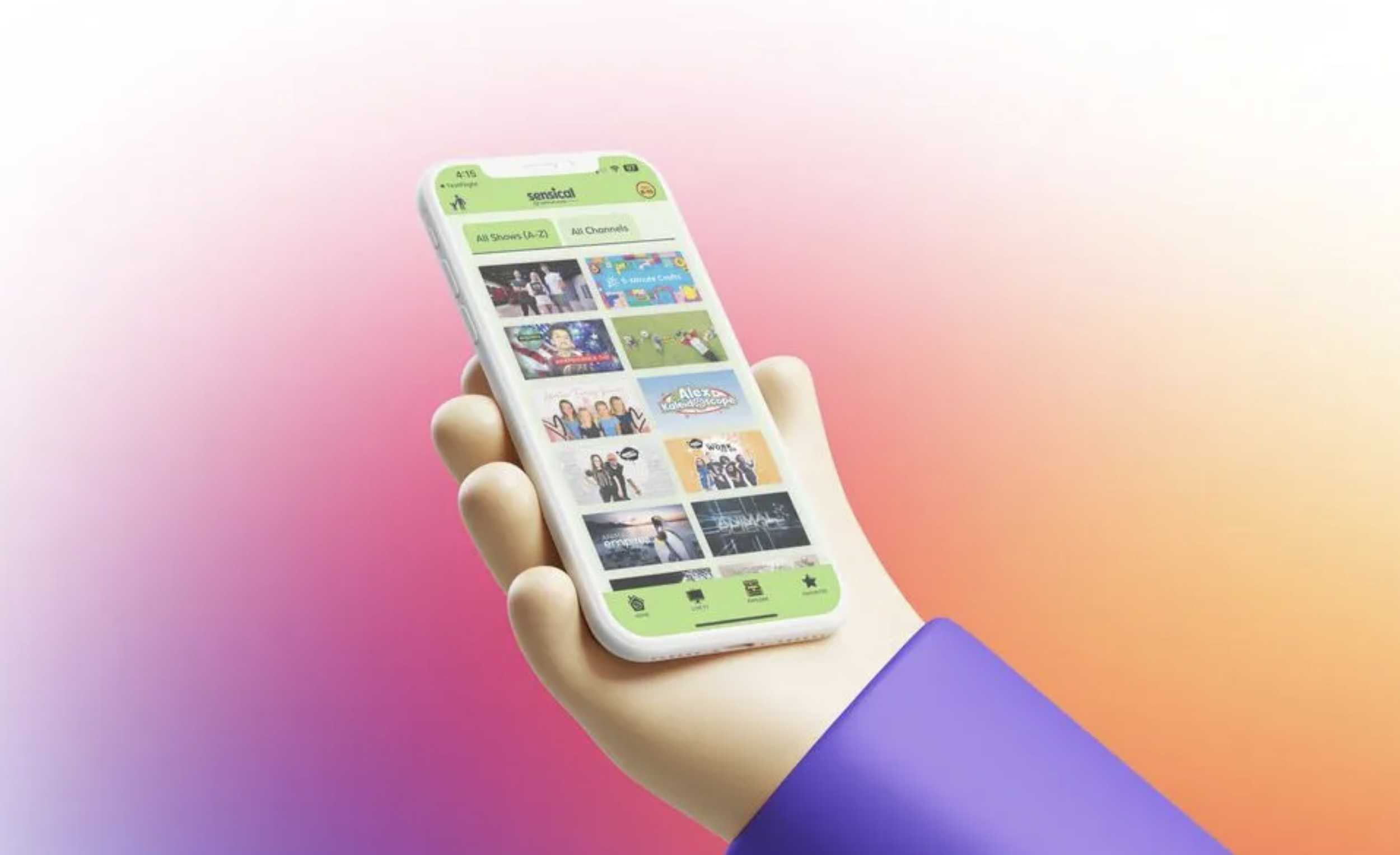
Sensical (Common Sense Media) - Kids Content Viewing Application, New Feature Development
Client - Common Sense Media
Budget - $400,000 USD
-
This was a video streaming application designed for young children, with a strong emphasis on complying with COPPA and applicable data privacy regulations across all supported platforms. While the application was already developed for most platforms, additional team support was required to extend feature development and implementation across iOS, Android, Roku, and Samsung
-
The main challenge was managing the product roadmap under a fixed price engagement with an open ended scope of feature requests. The client had considerable creative freedom to propose new features and explore product improvements throughout the engagement. While this flexibility encouraged innovation, it required careful assessment of incoming requests, prioritization of development efforts, and clear roadmap guidance to keep expectations aligned between the client and the internal delivery team.
An additional layer of complexity came from the application's target audience. Since the product was designed for young children, every proposed feature needed to be assessed not only for technical feasibility and development effort but also for its implications for children's privacy, data usage, and compliance with applicable regulations, including COPPA.
Approach and Strategic Decisions
We established a structured approach to managing feature requests and guiding the product roadmap while balancing client expectations.
Managing Feature Requests and Prioritization: I introduced daily sync meetings with the client team to gather requirements, clarify feature requests, and resolve ambiguities early and quickly. I also established dedicated weekly sync sessions with the engineering team to address technical challenges, assess implementation complexity, and identify potential risks to development timelines. This communication structure helped ensure that requirements were clearly understood, technical dependencies were addressed promptly, and the roadmap remained aligned across stakeholders.
Balancing Creative Flexibility With Scope Management: Given the fixed-price engagement, I managed the evolving backlog by assessing new requests and communicating their implications for development effort, priorities, and delivery timelines. This involved maintaining roadmap visibility, aligning expectations with the client and ensuring the clients signoff was involved before perusing any development activities. This process implementation ensured that the development and testing cycles were uninterrupted and provided clients the visibility of the products growth direction.
Ensuring Children's Privacy and Regulatory Compliance: We considered privacy and compliance requirements during feature assessment, ensuring that proposed functionality accounted for the application's young audience. This was particularly important for features involving playback behavior, personalized recommendations, analytics, and user data collection, where implementation needed to align with applicable children's privacy requirements to hassled free feature rollout of app stores.
Key Features Delivered
The roadmap included several enhancements to the existing application, including deep linking directly into content playback, autoplay with recommended content and playback pause limits, live TV integration, new analytics integrations, and UI improvements across supported platforms.
This project required balancing product innovation with structured roadmap management, fixed price delivery constraints, and the additional responsibility of building a privacy conscious experience for children. It reinforced the importance of establishing clear communication channels, evaluating feature requests systematically, and aligning client expectations with technical feasibility and delivery commitments.
Peloton Staff Augmentation Engagement
Client - Peloton Interactive
Budget - $600,000 USD
-
This was a different project as it was staff augmentation project, where we were providing experienced developers and QA testers to the Peloton team that were being managed by the Peloton specific team leads for 7 different platforms team. The role as a project manager for me was to ensure that the team was performing well and regularly collecting feedback from all the different platform team leads since the expectation in the quality, responsiveness, communication and leadership for the work was extremely high, there were specific clauses added in the SOW for this project which gave the client team the power to reject any candidate if they were underperforming with the requirement of the resource to be replaced in two weeks time at the time of feedback provided by the client for poor performance.
-
The main challenge was maintaining consistently high standards of performance, communication, responsiveness, and technical quality across developers and QA testers embedded within Peloton's seven platform teams. My role as Project Manager was to establish effective governance, maintain visibility into individual and team performance, and ensure that the expectations of each platform lead were consistently met.
Approach and Strategic Decisions
We established an internal performance governance strategy that enabled us to proactively monitor team health, identify gaps, and provide support before concerns escalated to the client.
Establishing a Platform Level Feedback Network: We identified a high performing team member within each of the seven platform teams to act as an internal point of contact. I connected with these individuals more than three times a week to gather feedback on team performance, communication, responsiveness, and any emerging challenges.
Proactively Identifying Performance Gaps: These regular check ins helped me maintain a pulse on how each team was performing and identify individuals who might be struggling to meet expectations. Rather than relying solely on formal feedback from Peloton's team leads, we used these internal insights to identify potential issues early.
Providing Targeted Support and Training: Where performance gaps were identified, we proactively assessed what additional support, guidance, or supplemental training could help the individual improve. We setup targeted training sessions covering platform tool usage, testing configuration setup, and feature updates for new device and OS releases.
Maintaining Governance and Accountability: I used the feedback gathered across the seven platforms to maintain visibility into team performance, identify recurring concerns, and ensure that issues requiring intervention were addressed promptly. This created a more structured approach to resource management.
This approach helped us move from reactive performance management to proactive resource governance. Beyond addressing performance concerns early, it also created opportunities for high-performing team members to take on greater responsibility, build trust with Peloton’s teams, and grow into more senior roles within the engagement.

Hallmark Sailthru Update
Client - Hallmark Corporate
Budget - $30,000 USD
-
This project involved updating an existing live application that used a Function-as-a-Service (FaaS) architecture built around multiple AWS Lambda functions. The original solution automated the delivery of promotional and advertising emails by responding to specific business events triggered by Hallmark’s backend and metrics services. When an event occurred, the corresponding Lambda function processed the relevant data and integrated with Sailthru, a third-party email marketing platform, to send personalized emails to users.
The objective of this project was to extend the existing integration to support new configurable fields introduced on the Sailthru side. This required updating the relevant Lambda functions and ensuring that the corresponding data was correctly populated and passed from the backend to Sailthru, maintaining data consistency across the integration.
-
The key challenge was coordinating the investigation and resolution of a production issue caused by changes to Sailthru’s API following a service upgrade. Although the original implementation included extensive field mapping, the upgrade introduced new configurable fields and deprecated existing properties. This resulted in promotional emails being sent with multiple empty fields, affecting the customer experience and requiring prompt attention.
From a Project Manager’s perspective, the priority was to establish the root cause, coordinate the right technical resources, and minimize the impact on a live service while ensuring the integration continued to meet Hallmark’s business requirements.
Approach and Strategic Decisions
I coordinated the investigation by first working with the development team to review the existing AWS Lambda functions and trace how data was mapped and passed from Hallmark’s backend to Sailthru. This helped establish which functions, objects, and fields were involved in the email delivery workflow.
Once we had a clear understanding of the existing implementation, I facilitated discussions with Sailthru’s engineering team to clarify the changes introduced in the new API version, including newly supported fields, modified properties, and deprecated fields. Aligning both teams on these differences helped narrow down the source of the issue and establish the required integration changes.
Given that the issue affected a live application, I focused on maintaining clear communication between the teams, prioritizing the investigation, and ensuring that the proposed changes addressed the underlying compatibility issue rather than treating the empty email fields as an isolated symptom.
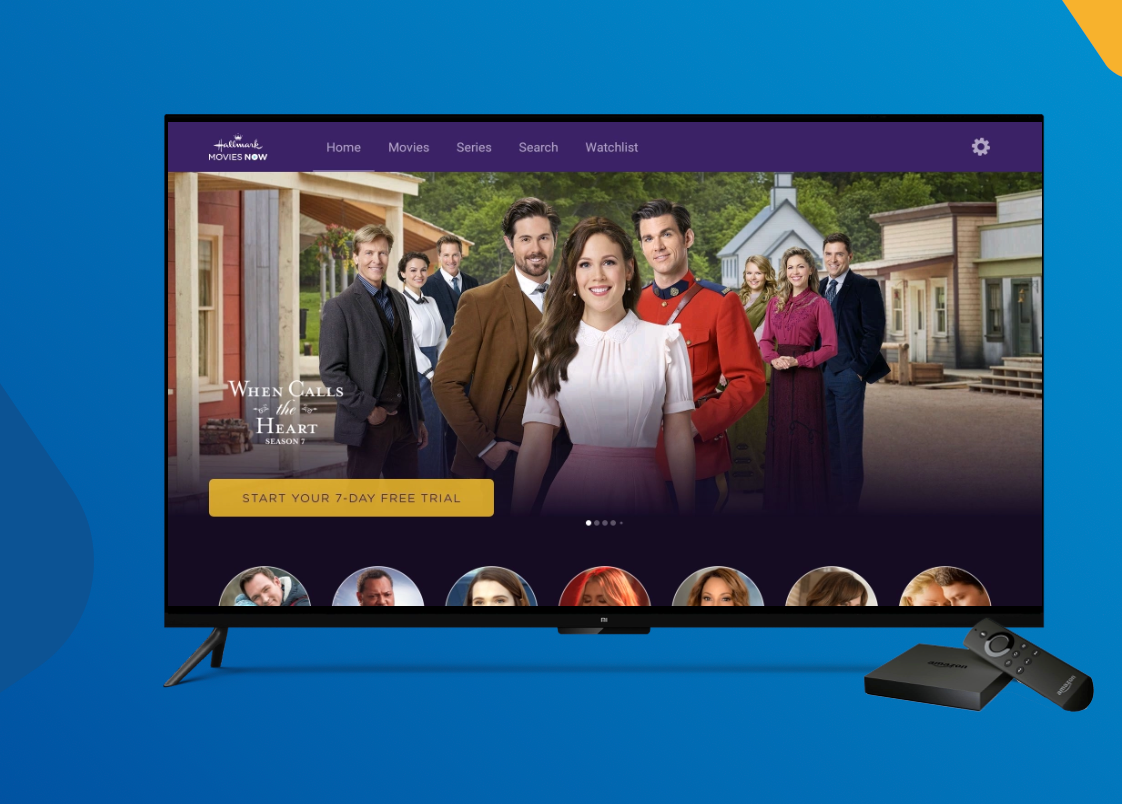
Hallmark Movies Now Bango Integration
Client - Hallmark Corporate
Budget - $200,000 USD
-
This project involved developing a middleware layer and web portal to integrate Hallmark’s subscription services with Verizon’s +play platform. The middleware connected with Bango, a third party subscription management service, to handle Hallmark subscription creation, management, and termination. The web portal enabled users to sign up or log in and retrieve their Bango provided session information, supporting the subscription experience within the +play ecosystem.
-
The primary challenge was translating the initial project requirements into a technically viable solution when several assumptions had been made during the procurement phase. The project depended on integrating Hallmark’s systems with both Bango’s subscription management services and Verizon’s +play platform, requiring the middleware and web portal to work together across multiple systems with different responsibilities.
Approach and Strategic Decisions
Breaking Down the Integration: I worked with the development team to divide the project into two core workstreams: the middleware integration with Bango and the customer-facing web portal. This helped clarify the responsibilities, technical dependencies, and requirements for each component.
Clarifying Requirements and Dependencies: Since several assumptions had been made during procurement, I coordinated discussions with the relevant teams to validate the requirements and understand how subscription creation, termination, user authentication, and session information would flow between Hallmark and Bango. This helped establish a clearer development plan and reduce the risk of rework.
Managing Cross-Time-Zone Collaboration: Bango's team was based in the UK, while Hallmark's client stakeholders were on the US West Coast. The significant time difference made it challenging to coordinate meetings, resolve technical questions quickly, and keep decisions moving. I managed this by planning discussions around overlapping working hours, grouping questions for each meeting, and ensuring that outstanding decisions and action items were documented so teams could continue making progress asynchronously.
Prioritizing Critical Integration Work: I focused on resolving dependencies that could block development, particularly those affecting subscription workflows and the exchange of session information. By keeping the middleware and web portal work aligned, I helped the team focus on the core functionality required to integrate Hallmark with Verizon's +play platform.
This approach helped bring structure to a project with uncertain initial requirements, improve coordination across geographically distributed teams, and provide a clearer path toward completing the integration.

Golfpass Comcast Application (Hosted URL App)
Client - Versant Media Group (formerly part of Comcast/NBCUniversal)
Budget - $100,000 USD
-
The project involved porting an existing GolfPass application, originally developed by a third-party vendor, to Comcast Flex devices. As the first Comcast device application delivered by our team in North America, the project required us to navigate an unfamiliar certification process and meet three key platform requirements: IPv6 network compatibility, deep linking for supported content, and text to speech functionality.
-
The main challenge was delivering an application for an unfamiliar platform while meeting Comcast’s certification requirements and working through technical issues that were difficult to reproduce in our local environment.
One significant blocker was that we could not reliably test local changes on physical Comcast Flex devices. This limited our ability to validate fixes quickly, particularly across different device models. During certification, we also encountered an IPv6 compliance rejection. Although the application’s network calls had been configured to support IPv6, we discovered that the hosted URL serving the application had not been configured for IPv6 compatibility. This highlighted a gap in our end-to-end validation process.
Approach and Strategic Decisions
1. Engaging Comcast Early to Unblock Testing
Since we lacked the necessary device setup to test changes reliably, I reached out to Comcast’s technical team for guidance. They helped us explore a remote device rack setup, allowing us to test the application on physical Flex devices, including mid-range models. Access to Comcast’s internal testing tools also helped us investigate issues more efficiently and avoid prolonged trial and error.
2. Investigating the IPv6 Certification Failure
When the application failed certification, I coordinated the investigation with the technical team to identify the root cause. We reviewed the network calls and confirmed that they were IPv6-compliant, then expanded the investigation to include the hosted application URL. This revealed that the issue was not with the individual network calls but with how the application itself was being served. We addressed this gap and used the finding to improve our understanding of Comcast’s end-to-end certification requirements.
3. Taking Ownership and Improving Validation
I treated the certification rejection as a gap in our validation process rather than simply a platform-specific issue. I took ownership of coordinating the resolution and reinforced the need to validate the entire application delivery path, including hosting configuration, network connectivity, and device behaviour. I also introduced a checklist-based approach to help the team identify platform-specific requirements earlier and reduce the risk of similar issues during subsequent certification submissions.
This approach helped us work through an unfamiliar certification process, remove testing bottlenecks, and strengthen our approach to platform compliance. More importantly, it established practical lessons and validation practices that the team could apply to future device integrations.
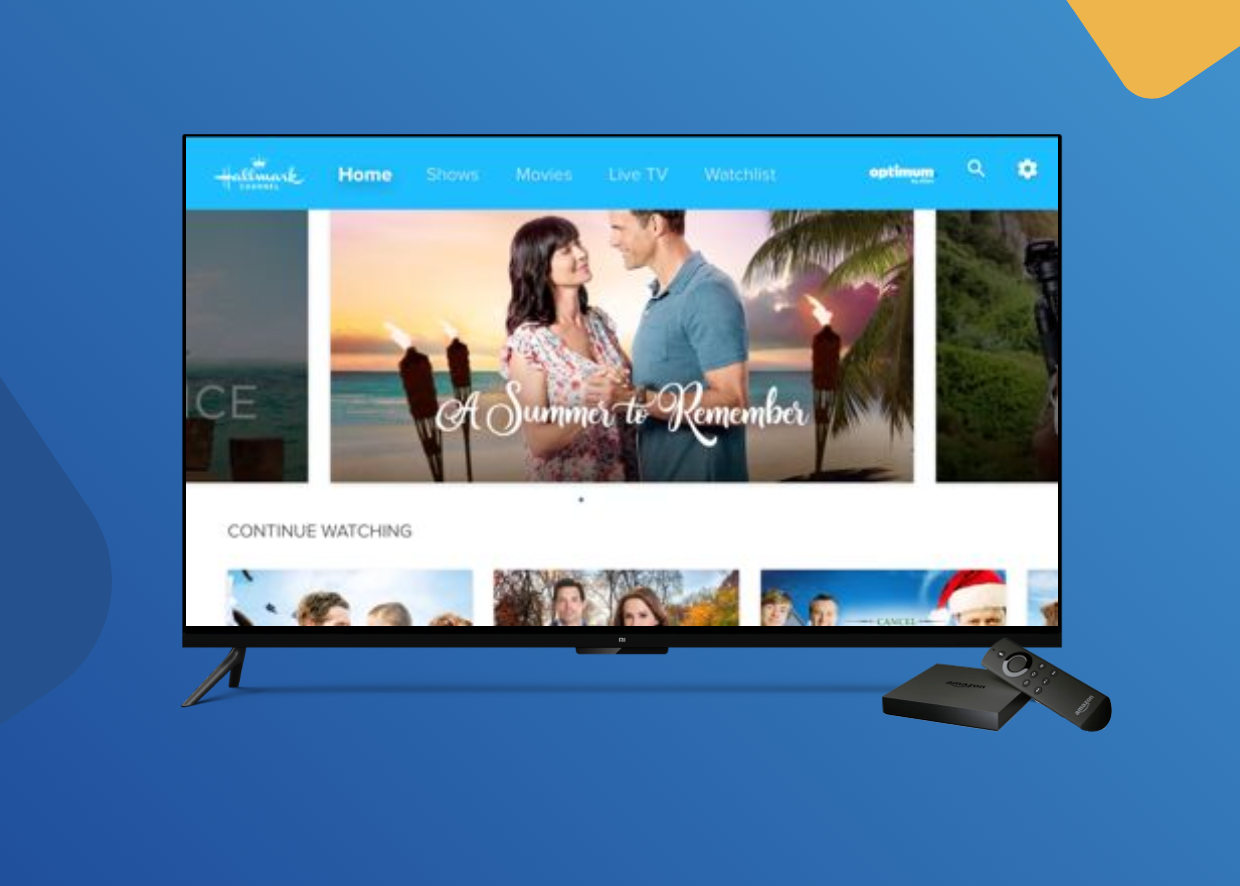
Hallmark Android Set Top Box Application
Client - Hallmark Corporate
Budget - $60,000 USD
-
The project involved extending Hallmark TV’s existing Android TV experience to a dedicated streaming set-top box developed by AT&T. The application was built using Accedo’s A1 product, allowing us to reuse the existing application configuration as a starting point. However, the AT&T deployment introduced an additional authentication layer through a service embedded in the device software, which had to work alongside Hallmark’s existing user authentication.
-
The main challenge was getting the application to authenticate successfully with AT&T’s device level authentication service. Despite multiple rounds of testing, the application could not consistently complete this authentication flow. This created a significant delivery risk because the issue appeared to involve the AT&T service embedded in the device software rather than Hallmark’s application configuration alone.
Resolving the issue required coordination between our development team and AT&T’s engineering team to establish the root cause, determine ownership, and agree on the corrective action.
Approach and Strategic Decisions
1. Isolating the Authentication Failure
I coordinated repeated testing cycles with the development team to investigate where the authentication flow was breaking down. We needed to distinguish between issues in Hallmark’s application configuration and problems with the authentication service running within AT&T’s device software.
2. Engaging AT&T’s Engineering Team
As the issue persisted, I worked with the relevant teams to escalate the findings to AT&T’s engineers. We shared the results of our testing to demonstrate that the issue could not be resolved solely through changes to Hallmark’s application configuration. This helped shift the investigation toward the device software and the authentication service it exposed.
3. Coordinating the Resolution Across Teams
The investigation ultimately established that a software update to the AT&T devices was required. This introduced a dependency outside our team’s direct control, making alignment with AT&T critical to moving the project forward. I coordinated with the teams involved to support the resolution and ensure the device-level issue was addressed before proceeding with further validation.
This experience reinforced the importance of distinguishing application-level defects from platform-level dependencies, gathering clear evidence before escalating issues, and working collaboratively with external engineering teams when the resolution depends on changes to software outside the project’s direct control.
Dish Campus TV - Guest vs Residential application
Client - Dish Network (EchoStar Corporation)
Budget - $500,000 USD
-
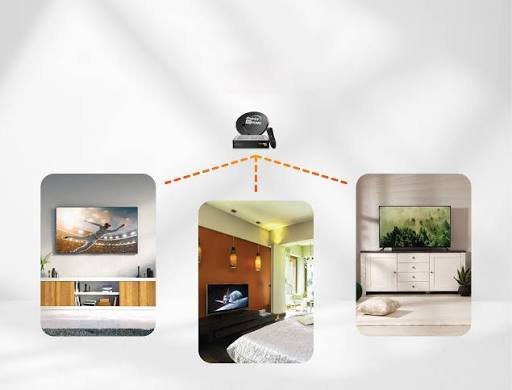
The project involved developing Guest and Residential application experiences for Amazon Fire TV (10-foot TV interfaces) and Dish Chromebook tablets using Accedo’s A1 product. The objective was to enable Dish to create multiple customized application configurations using reusable components, allowing them to tailor the experience to different deployment environments, such as hotels, hospitals, and residential settings, without building a separate application for each customer segment.
-
The primary challenge was gathering and translating requirements from Dish into a flexible application framework that could support different customer segments and deployment environments. Although Dish was the direct client, the applications would ultimately be used by guests and residents across settings such as hotels and hospitals, each with different content, information, and communication needs.
The solution needed to allow Dish to configure application landing pages by selecting and arranging reusable components, including weather and sports widgets, video-on-demand content, live TV tiles, hero banners, content swimlanes, advertising tiles, warning messages, and announcements. This required us to understand not only which components each customer segment needed, but also where the data for those components would come from and how it would need to be structured for the applications to consume.
Approach and Strategic Decisions
1. Taking a Phased, Feedback Driven Approach
Rather than attempting to finalize all requirements upfront, we delivered the project in phases, using demonstration sessions to present progress and gather feedback from Dish. This allowed us to validate our understanding of the requirements early, identify gaps, and refine the solution as the client's needs became clearer.
2. Gathering Requirements Across Customer Segments
I coordinated discussions to understand how the application experience would differ across deployment environments, such as hotels and hospitals. These sessions helped establish which components, content, and messaging each segment required, as well as how Dish would need to configure the experience when onboarding a new customer or location.
3. Defining Reusable Components and Configuration Options
Based on the requirements gathered, we worked toward defining a set of reusable application components that Dish could combine into different configurations. This approach allowed us to support varied customer experiences through the Accedo A1 platform which is Accedo’s in house product, rather than developing a separate application for every deployment. We also clarified how Dish would select and arrange components to create customized landing pages for each environment.
4. Mapping Data Sources and Integration Requirements
Once the component requirements were understood, I coordinated further discussions to identify the data sources behind each widget and establish how that information needed to be delivered to the applications. This included clarifying the expected data formats and requirements for components such as weather, sports, live TV, and on-demand content. Addressing these dependencies helped align the application requirements with the data available from the relevant services.
This structured approach helped turn broad and varied customer needs into a clearer set of reusable components, configuration options, and data requirements. By combining phased demonstrations with ongoing requirements discovery, we could refine the solution with Dish and build a framework designed to support multiple customer experiences across both TV and tablet platforms.
Bloomberg TV Streaming Application Migration
Client - Bloomberg
-
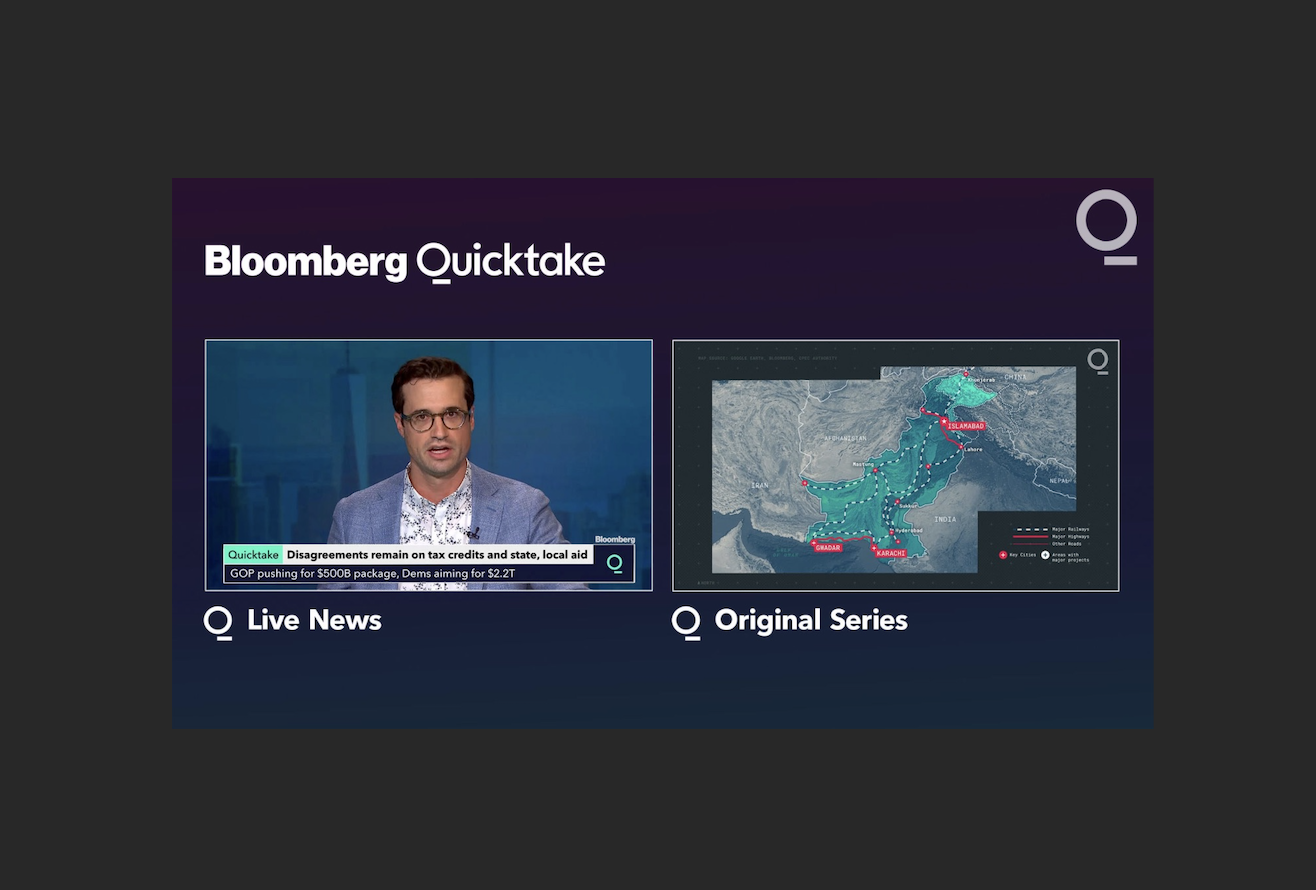
Supported the migration of Bloomberg TV’s streaming applications from Accedo Studio, a legacy product being sunset, to Accedo A1.
-
Having originally configured the Bloomberg applications on Studio during my co-op term, I brought existing product knowledge and configuration expertise to the migration. I worked with Bloomberg and the A1 team to transfer application configuration knowledge, coordinate changes to the application experience, and ensure users received regular updates and notifications about the migration. The transition covered four platforms: Samsung TV, Roku, Universal Windows Platform (UWP), and Android TV
CW and CW Seed Application Support and Migration
Client - CBS Corporation (later Paramount Global) and Warner Bros. Entertainment (WarnerMedia/Warner Bros. Discovery)
-
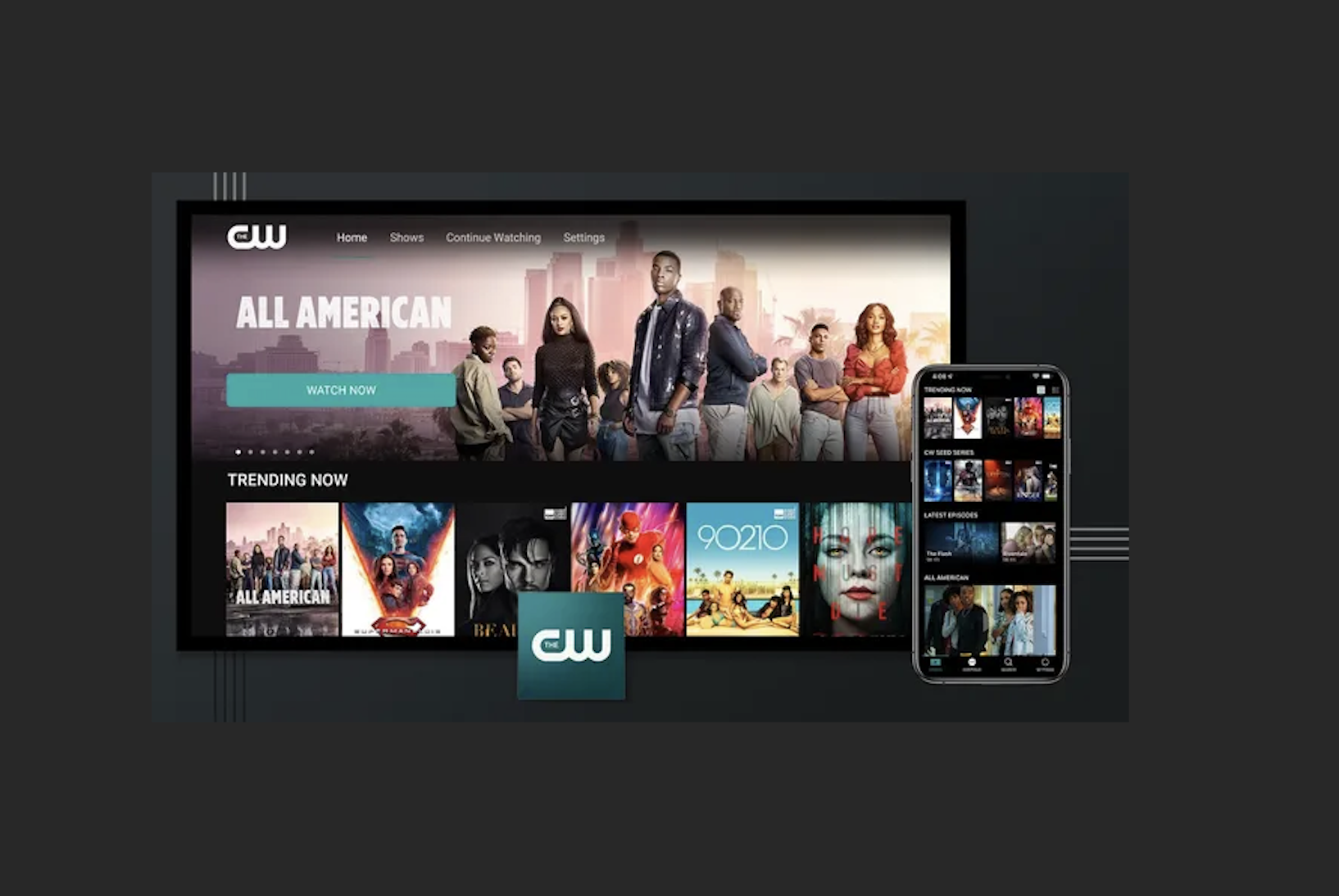
Spearheaded the migration of The CW and CW Seed streaming applications from Accedo Studio to Accedo A1.
-
I spearheaded the migration by coordinating the transition from Accedo Studio to A1, updating content deep-linking configurations to meet the latest Roku and Samsung platform guidelines, and preparing the applications for recertification. I also configured new analytics tracking events and transferred technical knowledge of the existing Studio setup to the A1 team, helping ensure a smooth transition to the new platform.
Medical Research Project

Impact of Biofeedback and Personalized Nutrition on Glycemic Control, Multi-Omics Markers and Mitochondrial Health in Early Dysglycemic Individuals: A Stratified Randomized Controlled Trial.
Role : Project Lead & Coauthor
-
This study evaluates early interventions in prediabetic individuals. One group receives standard ICMR care, while the other adds continuous biofeedback tools for BIA, glucose monitoring, and calorie tracking. Clinical and biological data including genetics, metabolism, and gut microbiome are collected at baseline, every six months, and at study end over two years. The primary goal is to assess how biofeedback influences blood sugar and weight, with secondary insights into how commonly available biofeedback tools reflect underlying biology through multi-omics assessments.